The Aging of Housing in America

They are building three new homes across from my house here in Northeast Ohio. It seems we are past the time of the severe slowdown of housing starts and there has been a mini-housing resurgence. Home inventory levels remain low. The problem is, like my new neighbors, new housing tends to be on vacant land.


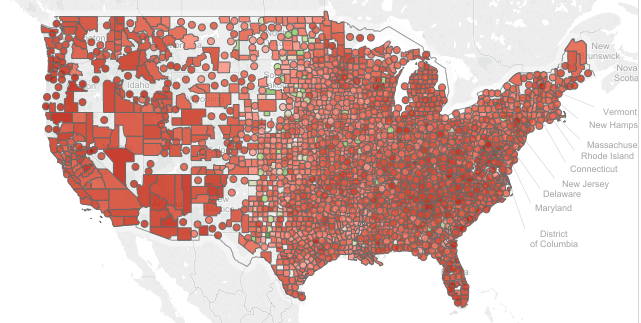
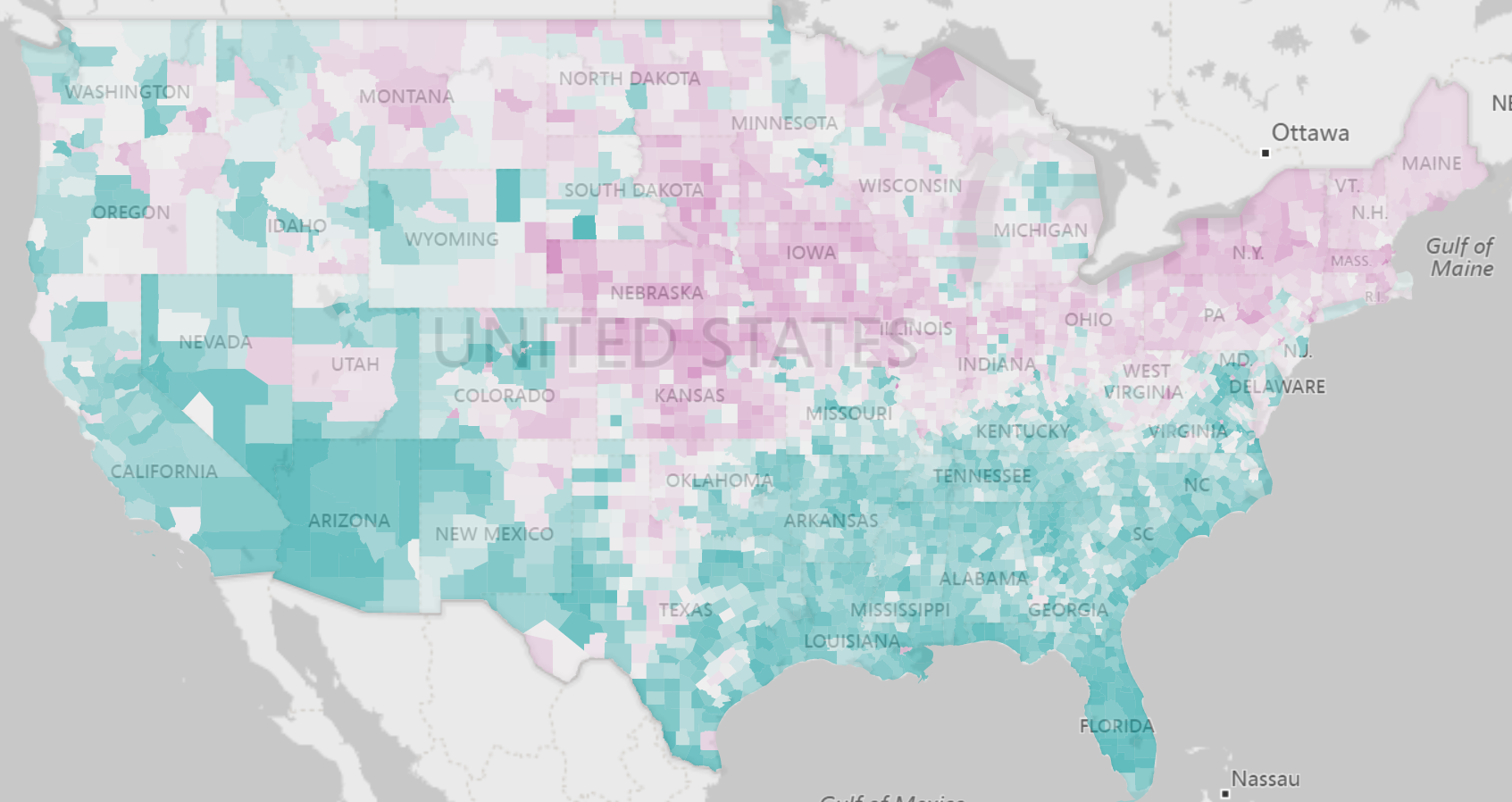
A very high percentage (12.9%) of homes still exist in the U.S. that were built prior to 1940. Next to homes built in the 1970’s, this is still one of the highest home categories based on age.  These homes primarily dot the landscape of our urban areas. There are 208 counties where 30% or more of the homes were built prior to 1940 and the weighted average population is just under 1 million. These homes also are heavily concentrated in the north as indicated by the magenta colors in the map below. 


There are numerous issues associated with older housing ranging from blight to upkeep to fire hazards. This article provides a nice overview.  


We have curated housing data from the American Community Survey into 25 indicators as part of the Population Analysis Interactive including age of structure.  We are committed to bringing disparate community data to life to inform community health and regional prosperity. 
 

Share This Story

Similar Posts

  • 12 Colleges with Sustained Enrollment Growth

      According to data collected from the Integrated Postsecondary Education Data System (IPEDS), 60.6% of colleges experienced flat or declining enrollment growth while only 39.4% experienced increasing enrollment growth from 2013-2014. This is also very consistent with statistics from 2012-2013.   College enrollment growth may be hard to sustain and…

  • Gainful Employment – Here Today, Gone Tomorrow

    The U.S. Department of Education announced yesterday the beginning of the process to rollback and rework Obama-era rules under the gainful employment regulations. These rules, which took years to enact, were designed to hold career-preparation programs accountable for the outcomes of their graduates. The announcement establishes rule making committees to…

  • CDC Publishes 2016 Natality (Births) Data

    The CDC recently released updated Natality (Births) data for 2016. State laws require birth certificates to be completed for all births, and Federal law mandates national collection and publication of births and other vital statistics data. The National Vital Statistics System provides access to statistical information from birth certificates and CDC makes…

  • Is There an Oasis in the New Food Data?

    The recently released updated Food Environment Atlas data by the USDA give us a real glimpse into the progress that we as a nation are making on combating food deserts. The USDA defines food deserts as lack of access to a healthy food retail outlet (a supermarket or large grocery store)…

  • Self-Funded Research Remains the Trend in Higher Education

    Research and development expenditures continued their flat growth since 2011 according to the most recent data from the National Science Foundation Higher Education Research and Development Survey (HERD). Research expenditures increased 1.66% for all reporting institutions from 2013 to 2014 and have increased cumulatively only 4.76% since 2011.  The primary…

  • Distance Education Rebounds

    Distance Education is now 12.3% of all programs and up 7.6% in 2018 Social distancing, at least for now, is the new normal and along with it comes distance education. Each year we look at what the data is telling us for distance education programs. Last year, I suggested that…