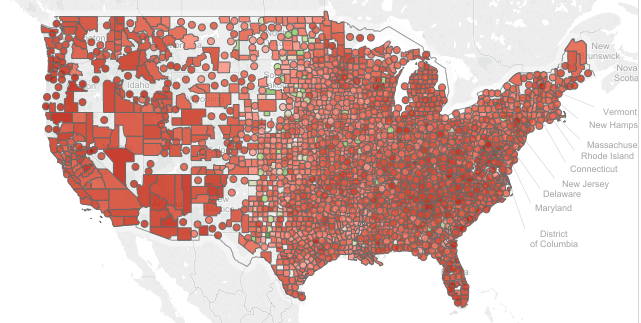
Harvard is cheaper, believe it or not at least according to average net prices. What are net prices? Read more.
Buying a car these days is a breeze. In the old days you had the MSRP on the car which you knew no one paid for and it was up to you to negotiate the best deal. The salesman would always tell you he had to negotiate with his sales manager to get you the deal you wanted. I remember thinking those guys know what the bottom line price is – why don’t they just tell me what the price is? Today, for the most part, you have full transparency when buying a car, except what you pay for the car somehow gets inflated by other costs such as extended warranties, finance charges, taxes, and other fees. Those little buggers can really inflate the cost of a car.
Likewise college pricing has become a pretty transparent process. Colleges have to disclose their published tuition, average tuition, and something called the net price. Tuition is inflated by other fees such as room and board, supplies, and other expenses. Colleges also provide “free money” such as scholarships, grant aid, and education tax benefits. This reduces the overall cost of college. The net price therefore is the total costs of attendance minus the free money. Colleges have to provide a net price calculator to help prospective students calculate their prospective costs of education. Colleges also report as part of the Title IV financial aid submission to the Integrated Postsecondary Education Data System (IPEDS) their average net price from year to year. However, net price remains a largely unknown term when it comes to comparing colleges. Google searches for net price as a search term are about 2% of the searches under tuition.
So Harvard’s reported average tuition is $40,418 but its net price is $15,095. Over half of the cost of attending Harvard including housing costs and other fees is subsidized by grants, scholarships, and tax benefits. Penn State on the other hand has an average tuition of $16,572 but its net price is much higher at $24,220. If you attended Penn State from out of state, you could expect to pay much more than this as these are in-state numbers. Net price varies widely by individual situation, but the composite net prices while largely unknown do serve as a general barometer for the affordability of a college.