The Aging of Housing in America

They are building three new homes across from my house here in Northeast Ohio. It seems we are past the time of the severe slowdown of housing starts and there has been a mini-housing resurgence. Home inventory levels remain low. The problem is, like my new neighbors, new housing tends to be on vacant land.


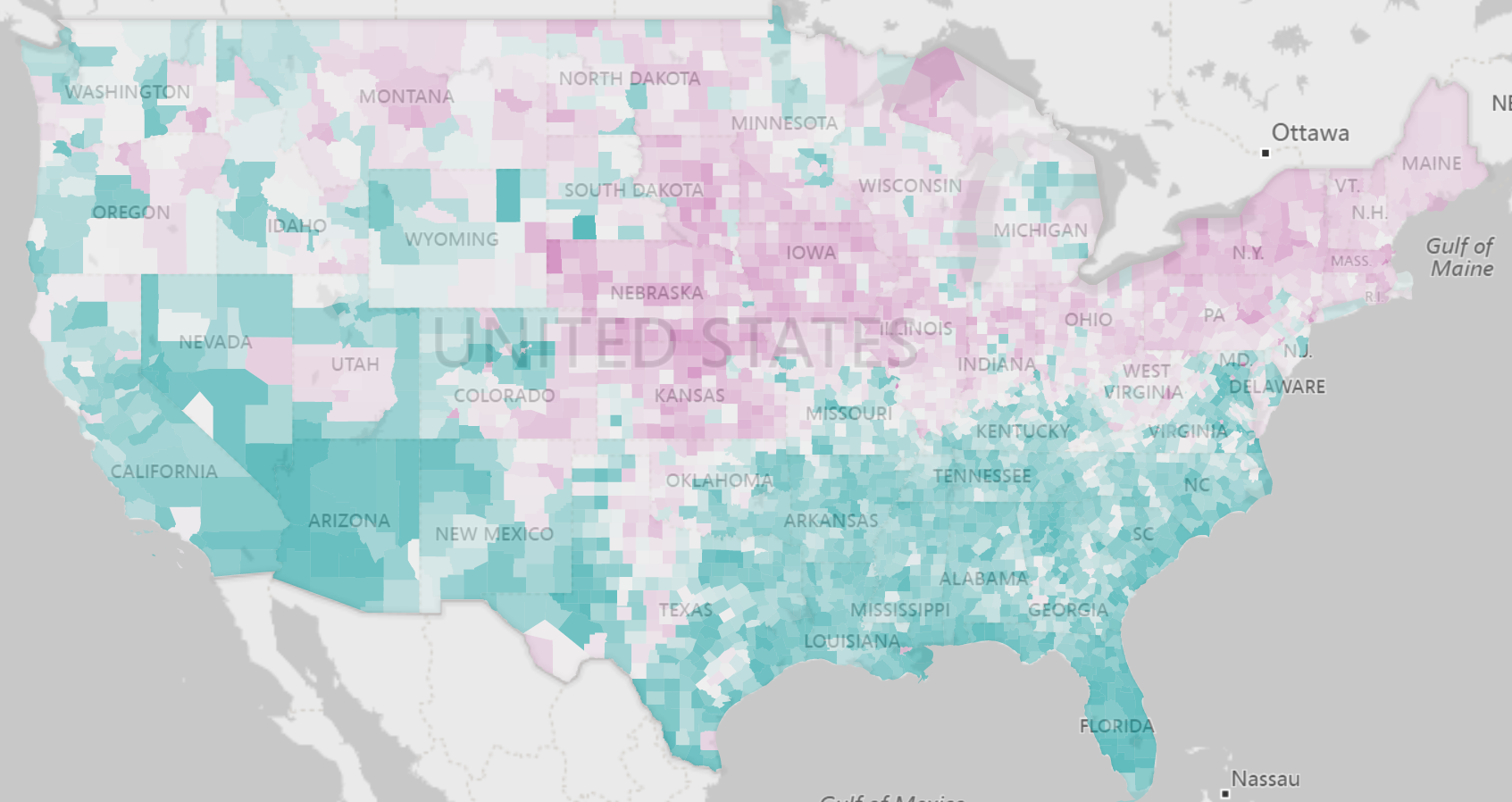
A very high percentage (12.9%) of homes still exist in the U.S. that were built prior to 1940. Next to homes built in the 1970’s, this is still one of the highest home categories based on age.  These homes primarily dot the landscape of our urban areas. There are 208 counties where 30% or more of the homes were built prior to 1940 and the weighted average population is just under 1 million. These homes also are heavily concentrated in the north as indicated by the magenta colors in the map below. 


There are numerous issues associated with older housing ranging from blight to upkeep to fire hazards. This article provides a nice overview.  


We have curated housing data from the American Community Survey into 25 indicators as part of the Population Analysis Interactive including age of structure.  We are committed to bringing disparate community data to life to inform community health and regional prosperity. 
 

Share This Story

Similar Posts

  • Endowments per Student Down in 2016

    How financially fit is your institution? One of the measures that Forbes has used in assessing the financial fitness of postsecondary institutions is endowment assets per FTE. This metric takes the value of endowment assets at the end of the year and divides it by the number of FTE’s. In…

  • Tuition Bears Increasing Brunt of Higher Ed. Revenue

    In 2011, Tuition and Fees represented 20.6% of public institutional revenue. In 2015, it has increased to 24.25%. Most of the reshuffling of revenue has come from federal operating grants and contracts as noted by the graphs below. Interestingly, state appropriations have remained relatively constant. Similarly, non-profit institutions have seen tuition…

  • The States That Send Students Elsewhere

    IPEDS reports residency numbers for first-time undergraduates by state. This data can be challenging to work with from several perspectives. It is not collected every year by every institution and it does not summarize the students coming from out of the state of the institution.     The Enrollment Suite…

  • Are Outpatient Imaging Quality Measures Effective?

    CMS began developing measures evaluating imaging efficiency back in 2007. These performance measures have been distributed as part of Hospital Compare for the past four years. Lower percentages suggest more efficient use of medical imaging. The purpose of reporting these measures is to reduce unnecessary exposure to contrast materials and/or…

  • Is Bureau of Labor Statistics Data Adequate?

    Several weeks ago, the Bureau of Labor Statistics (BLS) released updated Occupational Employment Statistics (OES) survey data. BLS OES is one of those foundational programs and datasets that are used for comprehensive occupational analysis. It produces employment and wage compensation estimates annually for nearly 800 occupations. These estimates are available…