CMS Releases 2016 Opioid Prescription Data

This week, CMS released 2016 Opioid Part D Prescribing Rates data which follows on the heels of the original release several months ago. This data release includes Opioid prescriber, claims, and extended release claims at the national, state, county, and zip code level. We have updated our Opioid Prescribing Rates Interactive to include the new data and have drawn some immediate conclusions at a national level:

  • The number of Opioid prescribers as a percentage of overall prescribers has declined from 45.5% to 44.3%. 

  • The Opioid prescription claims as a percentage of all Part D claims has declined to 5.35% from 5.52%, the fourth straight year of decline.

  • Extended release claims continue to migrate up for the fourth straight year from 6.71% to 6.92%. Extended release mitigates the potential risk of opioid overdose.

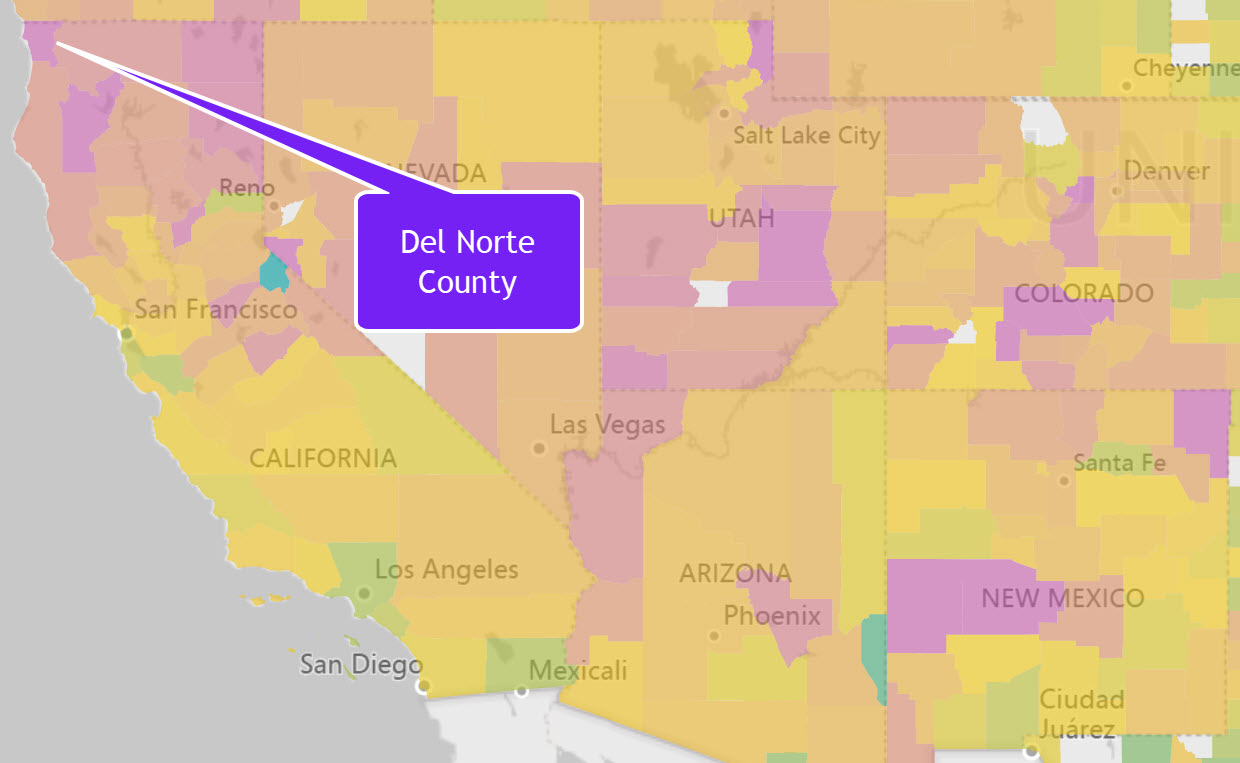
Regionally, there continue to be significant variations in opioid activity. At a state level, Alabama has the highest proportion of Opioid claims to overall claims percentage at 7.47%. While smaller counties may have regional anomalies, there are some major regional differences. For example, counties like Del Norte in northern California have shown a much higher than national average as shown in the map below.  Del Norte has over 2.3x the national average for opioid claims.


The Opioid Prescribing Rate Interactive dynamically analyzes regional opioid claims, extended release claims, and provider data at the national, state, county, and zip code levels. This Interactive is part of our Community Health library and is also available individually for $295. 
 

Share This Story

Similar Posts

  • Healthcare Rankings and the Healthiest Cities

    We in the U.S. love our rankings. I think it is embedded in our DNA. As a student of data, I love to see the various rankings and how people get worked up over them. Healthgrades recently released its latest analysis of top quality hospitals and its National Health Index, which…

  • Students Increasingly Opting for High Cost Debt

    Many prognosticators are projecting a coming economic crisis caused by student debt. This is typically focused around an inability to pay off the principal of the loan. But it really appears that we are also setting ourselves up for a real problem with the cost of debt.    Overall new…

  • Is Education Required for Fast Growing Jobs?

    A hot topic, especially when new job projections come out, is whether the high growth jobs require much in the way of education. Jed Kolko at Indeed Hiring Labs did a very thorough job of analyzing projected occupational growth against their respective education requirements. His conclusion was that the slower…

  • COVID-19 Dashboard with NYT Data

    Analyze COVID-19 Cases by National, State and County Level It is important for today’s business leaders to consider the impact of COVID-19 when making decisions and allocating resources. The accuracy of COVID-19 data reported by news sources and online publications goes beyond the numbers themselves, the interpretation of the statistics…

  • Distance Education Programs up 8.2%

    Distance Education continues its upward climb according to the most recent distance education data from IPEDS. The number of programs increased 8.2% in 2016, but this increase was less than the whopping 12.6% in 2015. There are now over 29,000 programs offered through distance education. Certificate programs continued their strong…

  • Distance Education Rebounds

    Distance Education is now 12.3% of all programs and up 7.6% in 2018 Social distancing, at least for now, is the new normal and along with it comes distance education. Each year we look at what the data is telling us for distance education programs. Last year, I suggested that…