Students Moving Back on Campus

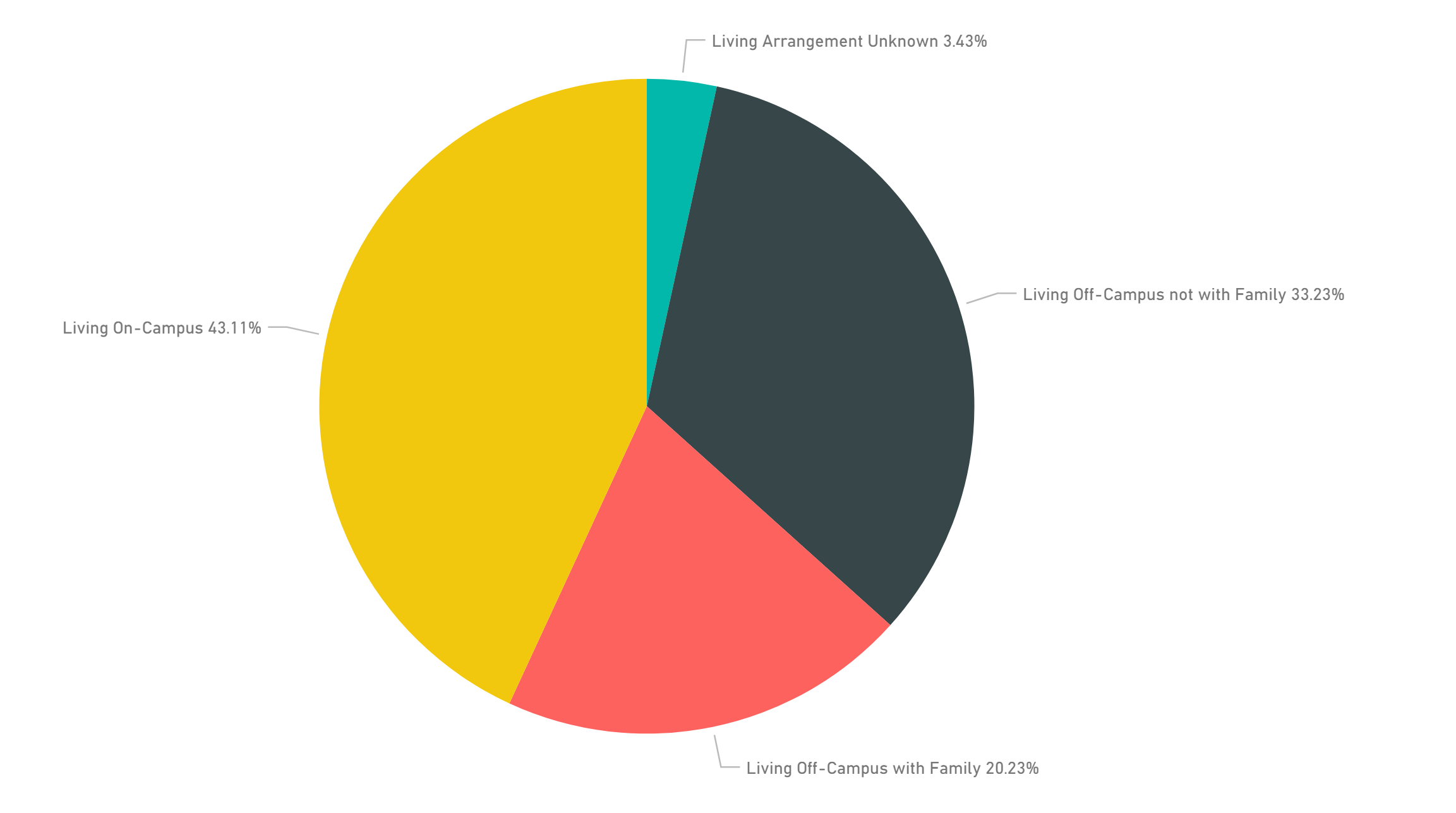
The number of students living on-campus for the approximately 4,500 non-state institutions has increased from just over 43% in 2011 to nearly 53% just four years later in 2015. The pie graph below shows the movement from 2011 to 2015 with the yellow slice indicating the percentage of students living on-campus. 


2011


2015

Initially, I thought it was in keeping with an economic recovery, but the the off campus changes are interesting:

  • Students living off campus with family declined just one percentage point from 20-19%

  • Students living off campus, not with family, declined from 33% to 26%

The costs of living off campus can range widely depending on location. This recent article by Ben Myers suggests high variability in the best guess of off campus living. This just simply might not be a cost savings measure. Perhaps living on campus is simply a cool thing again and the value and benefits of being near the action are driving this change.



Share This Story

Similar Posts

  • COVID-19 Dashboard with NYT Data

    Analyze COVID-19 Cases by National, State and County Level It is important for today’s business leaders to consider the impact of COVID-19 when making decisions and allocating resources. The accuracy of COVID-19 data reported by news sources and online publications goes beyond the numbers themselves, the interpretation of the statistics…

  • Distance Education Programs up 8.2%

    Distance Education continues its upward climb according to the most recent distance education data from IPEDS. The number of programs increased 8.2% in 2016, but this increase was less than the whopping 12.6% in 2015. There are now over 29,000 programs offered through distance education. Certificate programs continued their strong…

  • Free-Lance Economy Continues Upward Climb

    Moonlighting used to be a term that described a minority of people. If you moonlighted, you were supplementing your income. You either did it for extra cash or because you had to just to pay the bills. The freelance economy and the growth of the personal transportation industry alone have…

  • When is a Job Essential?

    Critical Infrastructure Accounts for 60% of Jobs as the Rest Open Up The stay-at-home orders under the COVID-19 pandemic separated “essential” from “non-essential”. Businesses deemed essential stayed open. Those that were not essential shut down. Sometimes those lines were very blurred with individual states and even communities making those choices…