CMS Releases 2016 Opioid Prescription Data

This week, CMS released 2016 Opioid Part D Prescribing Rates data which follows on the heels of the original release several months ago. This data release includes Opioid prescriber, claims, and extended release claims at the national, state, county, and zip code level. We have updated our Opioid Prescribing Rates Interactive to include the new data and have drawn some immediate conclusions at a national level:

  • The number of Opioid prescribers as a percentage of overall prescribers has declined from 45.5% to 44.3%. 

  • The Opioid prescription claims as a percentage of all Part D claims has declined to 5.35% from 5.52%, the fourth straight year of decline.

  • Extended release claims continue to migrate up for the fourth straight year from 6.71% to 6.92%. Extended release mitigates the potential risk of opioid overdose.

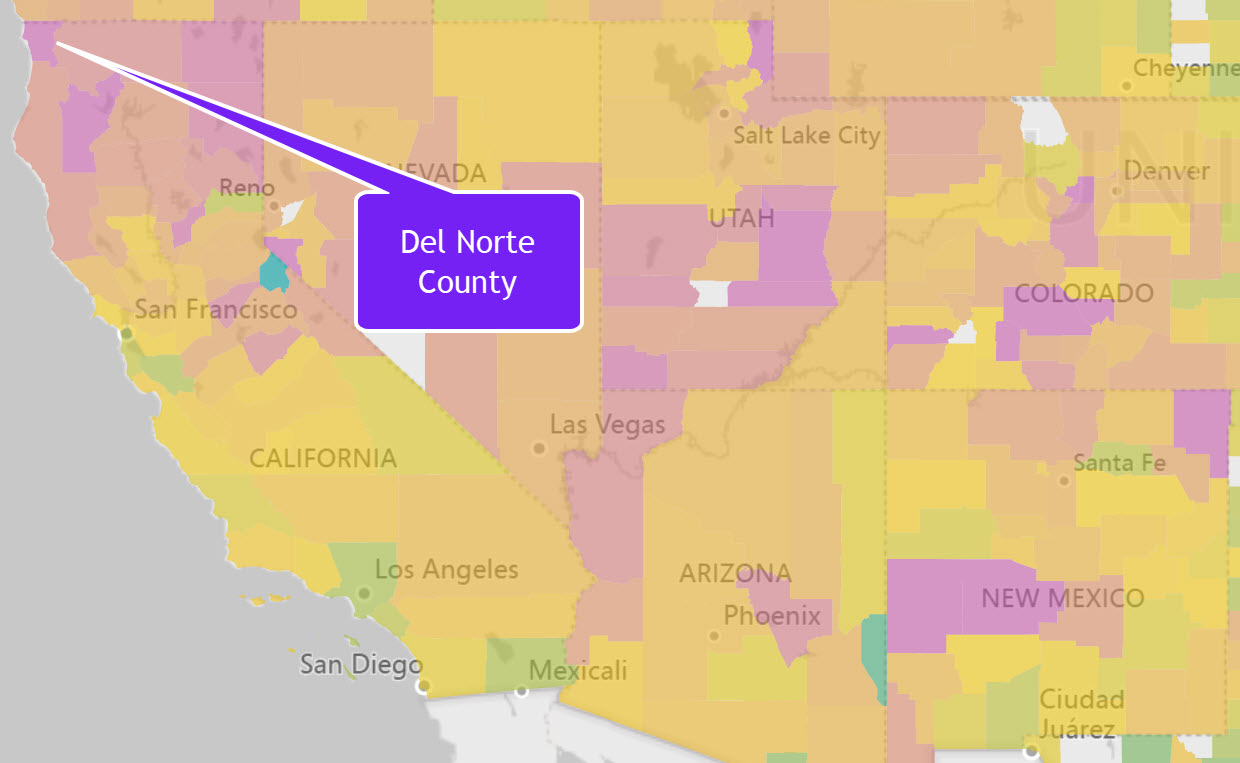
Regionally, there continue to be significant variations in opioid activity. At a state level, Alabama has the highest proportion of Opioid claims to overall claims percentage at 7.47%. While smaller counties may have regional anomalies, there are some major regional differences. For example, counties like Del Norte in northern California have shown a much higher than national average as shown in the map below.  Del Norte has over 2.3x the national average for opioid claims.


The Opioid Prescribing Rate Interactive dynamically analyzes regional opioid claims, extended release claims, and provider data at the national, state, county, and zip code levels. This Interactive is part of our Community Health library and is also available individually for $295. 
 

Share This Story

Similar Posts

  • Tuition Bears Increasing Brunt of Higher Ed. Revenue

    In 2011, Tuition and Fees represented 20.6% of public institutional revenue. In 2015, it has increased to 24.25%. Most of the reshuffling of revenue has come from federal operating grants and contracts as noted by the graphs below. Interestingly, state appropriations have remained relatively constant. Similarly, non-profit institutions have seen tuition…

  • Inpatient vs. Outpatient – What the Numbers Show

    Analysts in health care don’t agree in unanimity very often, but most seem to agree that there will continue to be a quantum shift in healthcare from inpatient to outpatient. In this two part series, we will attempt to quantify and support this important trend. We utilized the Beds and…

  • CMS Introduces New Hospital Returns Measure

    The most recent batch of Hospital Compare data has expanded the whole area of readmissions, returns, and deaths. There are now separate measures for mortality rates, readmissions, and hospital returns. The hospital returns measure is brand new, with the most recent data through June 2016, and applies to heart attack…

  • COVID-19 Dashboard with NYT Data

    Analyze COVID-19 Cases by National, State and County Level It is important for today’s business leaders to consider the impact of COVID-19 when making decisions and allocating resources. The accuracy of COVID-19 data reported by news sources and online publications goes beyond the numbers themselves, the interpretation of the statistics…

  • Death Rates Rise Sharply for Millenials

    The new CDC mortality data continues to paint a rather grim picture. Last week we focused on the external causes of the rise in death rates. This week we analyzed the mortality (death) rate among age groups using over 1.8 billion data points over 17 years from the CDC. You…

  • Where the Vets Live

    As we approach this Memorial Day Weekend, we pause to remember the sacrifice made on our behalf by our veterans. Nationwide veterans comprise 8% of the population. But there are clusters of populations where veterans comprise much higher percentages of the population. This article from Trulia published in Forbes back…