Powerball and Endowment Wealth per Student

Large dollars tend to attract many of us. That is why the Powerball attracted so many people at the tidy sum of 1.3 billion. Yet the larger the number, the more people participate. Someone had the brilliant idea of distributing Powerball winnings to everyone in the country thinking it would be a tidy windfall; maybe enough to eliminate poverty. As it turns out, it barely gets us enough to buy a cup of coffee after taxes at a pre-tax number of about $4 each.


Endowments are sums of money to cover future generations. There are lots of ways to measure future impact of endowment dollars as they could cover many new projects and programs. I took the Powerball concept about just distributing endowment over the most recent fall enrollment dollars. While I don’t think major donors will go for this concept, it does give us some perspective of the relative amount of the endowment size over the student base.


Harvard has by far the largest endowment in terms of sheer size coming in at over 36 billion dollars. However, it barely cracks the top 10 when it comes to endowment per student at a pedestrian $1.26 million per student. Rockefeller University dwarfs other schools coming in at over $9 million per student. Not surprising given the focus of Rockefeller on hard to solve, very expensive medical research areas. Soka University comes in second at nearly $3 million per student. As expected, 3 of the top 10 universities were Ivy League schools. Stanford edges out Harvard as the largest university in the top 10. If we cashed out every school’s enrollment, the average distribution would be just under $100,000.


It is admittedly hard to look at endowments this way given the wide range of uses for endowment dollars. Comparing peers however in this way may be helpful. See the implementation of this in Public Insight by watching my brief video blog below.

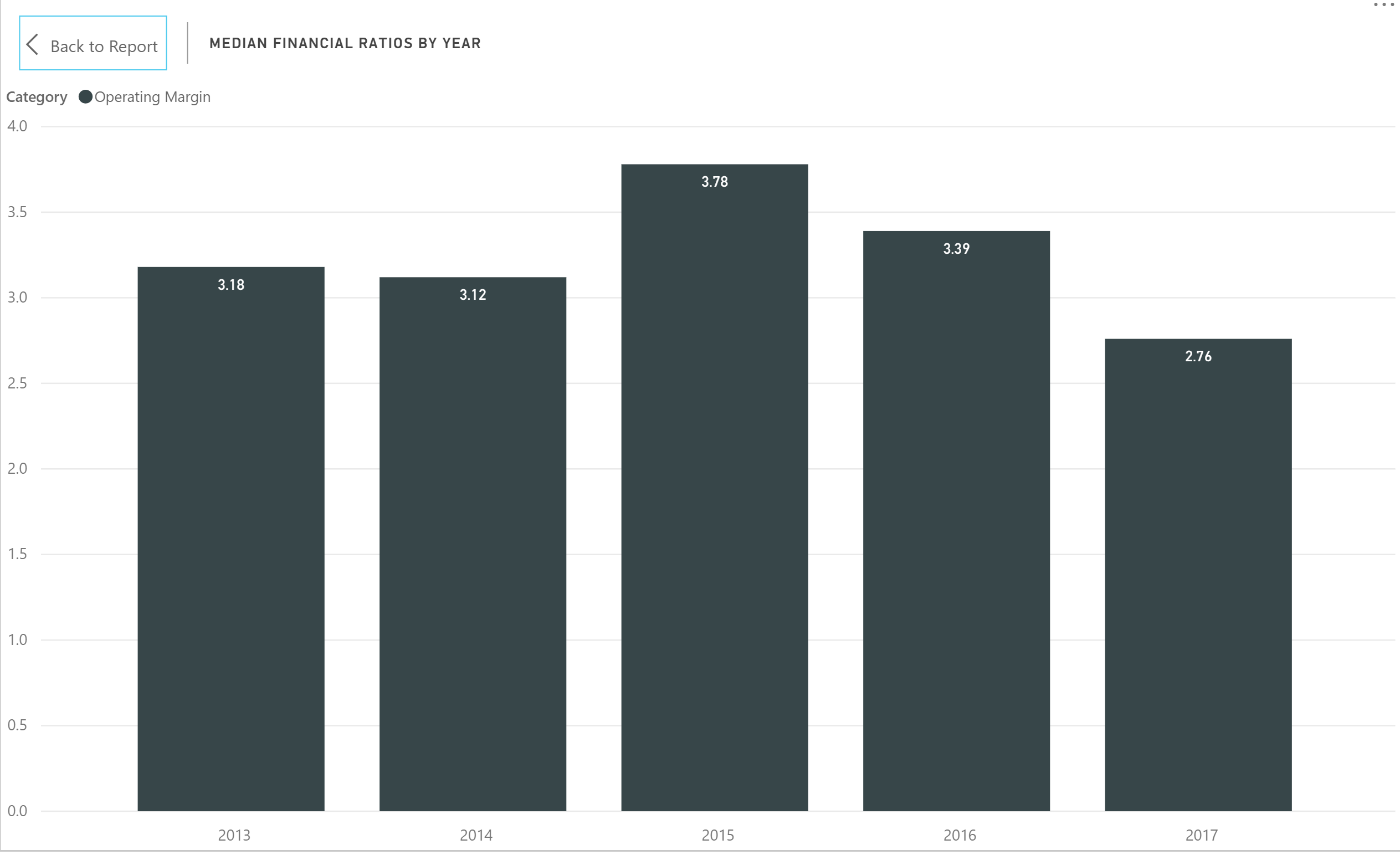


I created a spreadsheet using Public Insight that compares endowment dollars for the past five years and ranks by asset size, 1 year growth, 5 year growth, and endowment per student. You can download it here.

Share This Story

Similar Posts

  • Top Ten States with Growing Tuition Costs

    Nell Gluckman of The Chronicle of Higher Education wrote an interesting piece about the challenges of public cutbacks in the state of Louisiana. The premise of the article is that there are trickle-down implications of state cutbacks in tuition, faculty morale, and curriculum. Louisiana has passed along substantial tuition increases to its…

  • Are Outpatient Imaging Quality Measures Effective?

    CMS began developing measures evaluating imaging efficiency back in 2007. These performance measures have been distributed as part of Hospital Compare for the past four years. Lower percentages suggest more efficient use of medical imaging. The purpose of reporting these measures is to reduce unnecessary exposure to contrast materials and/or…

  • What do Sierra Vista and Hinesville Have in Common?

    Sierra Vista, AZ and Hinesville, GA probably don’t seem to have much in common. One is in eastern Arizona and the other is in southeast Georgia. They are both very small cities with populations of around 40,000. What they have in common is a market concentration for computer occupations with…

  • March Madness and the Top Line

    Everyone has caught March Madness fever. The first two rounds of this landmark tournament sparked more double digit seed upsets than any other year. Yet as we sit here for the sweet 16, all of the number one seeds advanced. It is no surprise to anyone either that NCAA basketball…

  • More Students Paying Out-of-State Tuition Rates

    Over 230,000 students pay out-of-state tuition rates compared to approximately 1.5 million students who pay in-state or in-district rates according to the most recent cohort group from IPEDS. This represents 13.09% of the students and continues an upward progression of out-of-state paying students.    The number of students paying out-of-state…

  • Do College Degrees Appreciate in Value?

    My first car was a Chevy Vega. For those old enough to remember, it was a tin can with wheels. It was the kind of car that when you arrived at the gas station, you said to the attendant (in the days of full-serve stations), “Fill it with oil and…