BLS Releases New 10-Year Employment Projections

Last month, the Bureau of Labor Statistics released its 10-year employment projection data. This data is updated every other year. The new data shows a projected increase over the next decade of 7.4% which is a noticeable increase over the previous 6.5% 10-year projections in 2014. These projections are not so much driven by economic growth as population growth. Implicit in the forecast are assumptions about future fertility and mortality rates of the U.S. population. Also included are assumptions about immigration, the most uncertain but important factor affecting the size of the future labor force.


BLS produces occupational employment projections by analyzing current and projected future staffing patterns (the distribution of occupations within an industry) in an industry−occupation matrix. Changes in the staffing pattern for each industry are projected and applied to the final industry projections, yielding detailed occupational projections by industry. Employment growth is projected for nearly all occupational groups, from healthcare to transportation occupations. The only occupational group projected to decline from 2016 to 2026 is production occupations, at a rate of 4.1 percent.


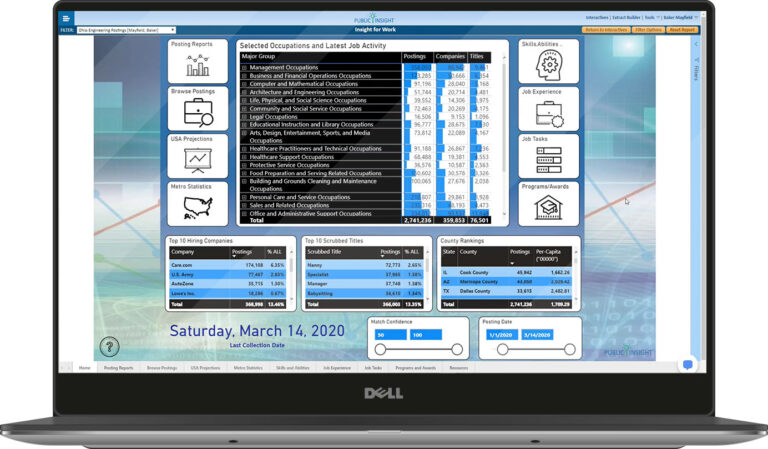
The Degree-to-Jobs Interactive leverages these employment projections as part of this unique program planning tool. The updated 2016 projections will be incorporated into the Degree-to-Jobs Interactive shortly. The data is now also available for free for registered users to browse in Data Browser


The BLS Employment Projections has some new information that we will spend the new few weeks discussing. Note there will be no Weekly Insights next week for the Thanksgiving holiday. 


Share This Story

Similar Posts

  • More Students Paying Out-of-State Tuition Rates

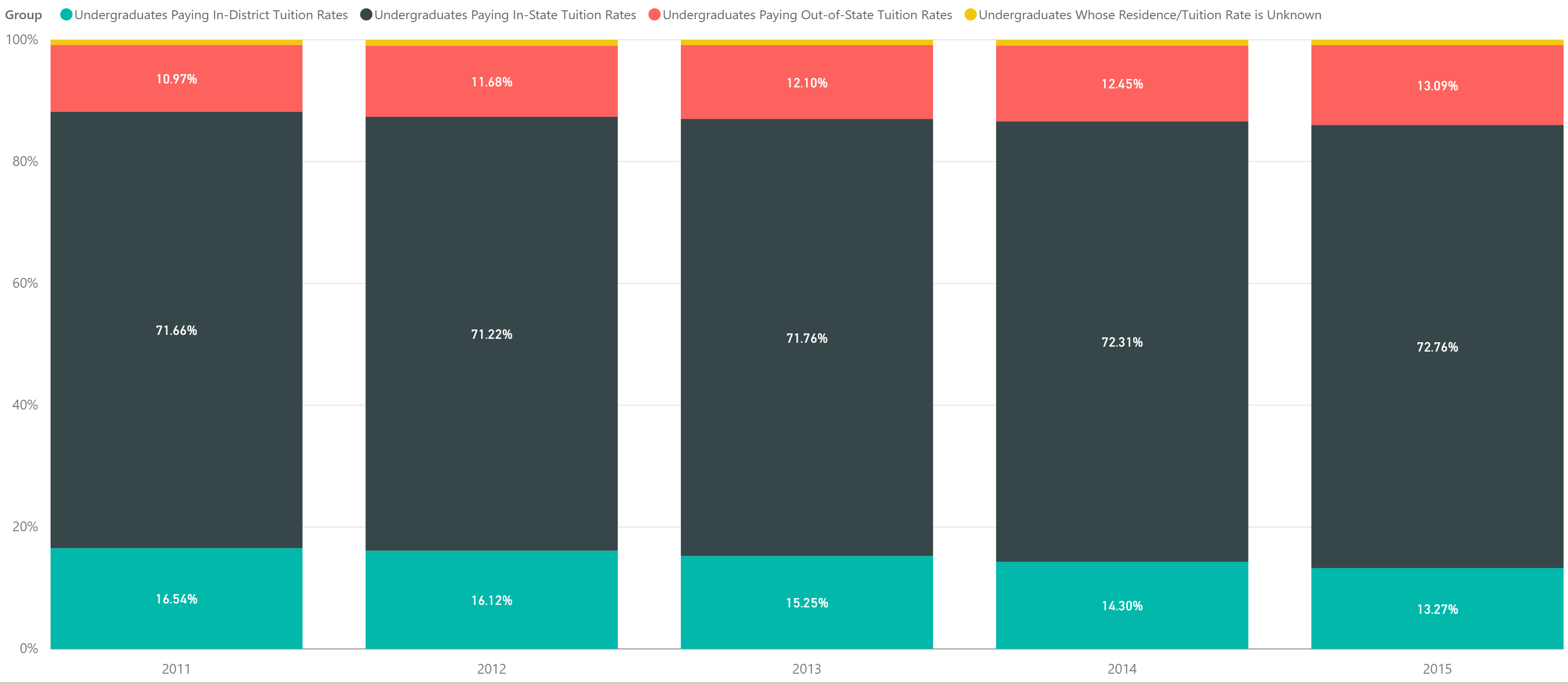
    Over 230,000 students pay out-of-state tuition rates compared to approximately 1.5 million students who pay in-state or in-district rates according to the most recent cohort group from IPEDS. This represents 13.09% of the students and continues an upward progression of out-of-state paying students.    The number of students paying out-of-state…

  • What is the Newly Released Carnegie Data?

    The Carnegie Classificationâ„¢ has been the major institutional framework for describing higher education institutions since 1970. This classification system comes out approximately every five years with the latest rendition released on February 1, 2016. This release represents the initial data provided by the Indiana University Bloomington Center for Postsecondary Research…

  • Is There an Oasis in the New Food Data?

    The recently released updated Food Environment Atlas data by the USDA give us a real glimpse into the progress that we as a nation are making on combating food deserts. The USDA defines food deserts as lack of access to a healthy food retail outlet (a supermarket or large grocery store)…

  • Free-Lance Economy Continues Upward Climb

    Moonlighting used to be a term that described a minority of people. If you moonlighted, you were supplementing your income. You either did it for extra cash or because you had to just to pay the bills. The freelance economy and the growth of the personal transportation industry alone have…

  • Violence Against Women Offenses Up 9.5%

    This is the third year that the Campus Safety and Security (CSS) data has released separate violence against women (VAW) offenses. This data captures three types of offenses; domestic violence, dating violence, and stalking and analyzes it for both on campus and off campus locations. Overall, there were 16,183 VAW…