The Gender Debt Disparity

The Huffington Post recently posted a very interesting article on gender debt disparity. The article notes that women hold nearly two-thirds of all student debt – a whopping $833 billion dollars. The article postulates that women also take longer to pay off the debt because they earn less than men.


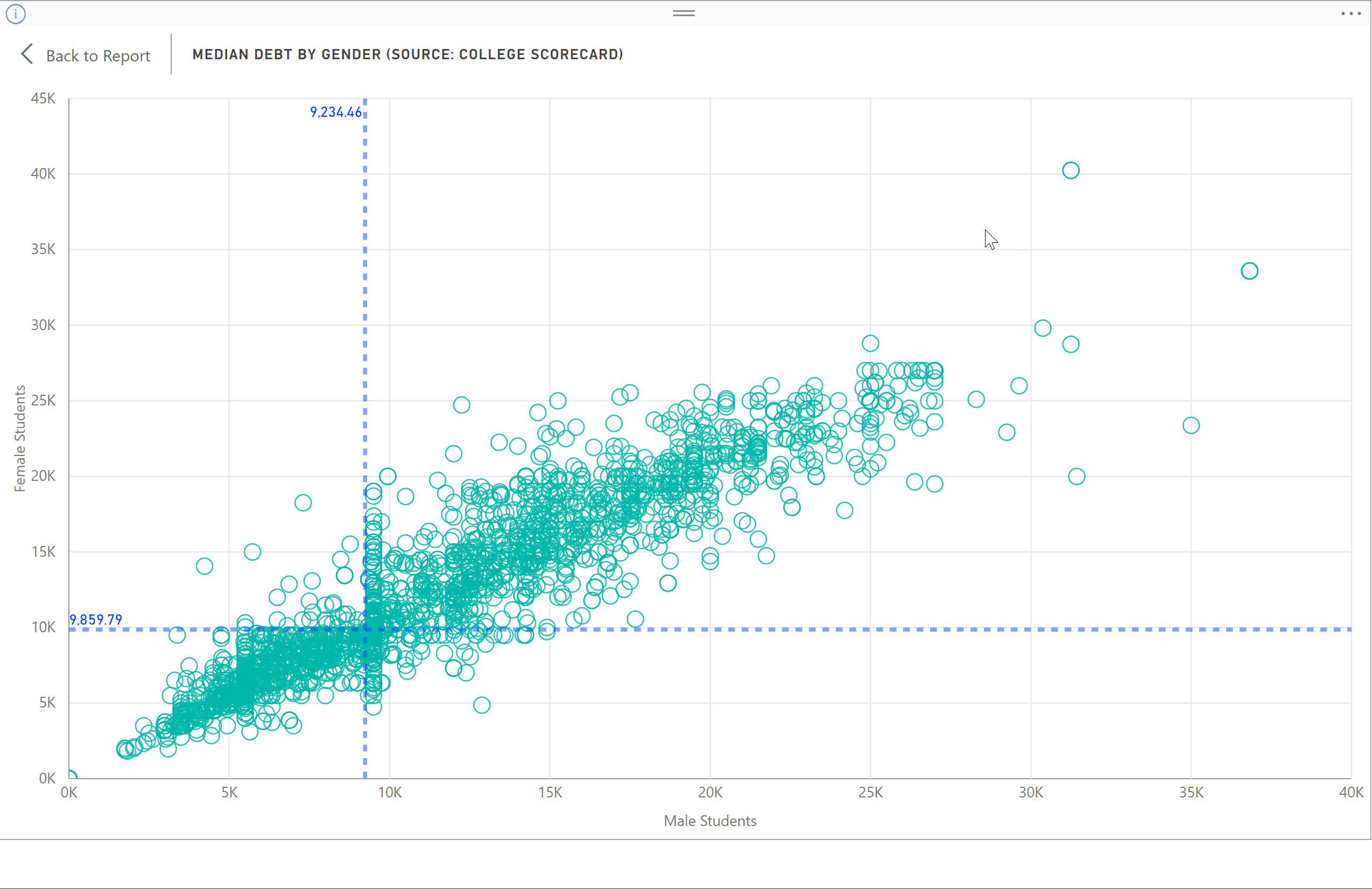
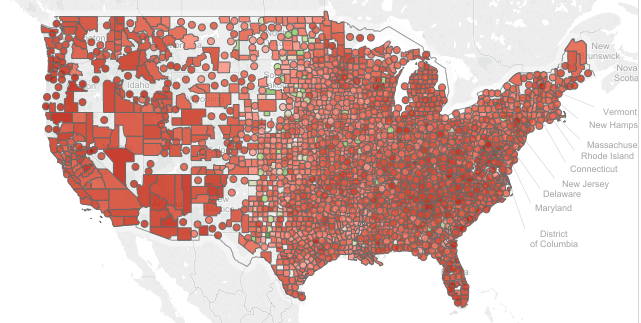
I wanted to see how that coincides with the student debt levels as reported by the U.S. Department of Education via the College Scorecard database. This database tracks the cumulative median loan debt and then disaggregates the debt by various factors including gender for approximately 6,000 institutions. The disaggregated data is profiled in the Public Insight Student Debt Interactive. You can also browse it for free using our Data Browser tool. The data, using a simple average across institutions, shows that women have a median debt level 6.7% higher than men ($9,859 vs $9,234). A scatterplot of the student loan mix is shown below. There are limitations to the data as this database only reports federal loan activity and not other loan sources such as Parent Plus loans.


The Huffington article makes the assumption that because women earn less, they take longer to pay off the student debt. But does it make them less reliable to pay down the debt? The College Scorecard database reports debt repayment rates again disaggregated by gender. The definition is very important. It is those that have entered repayment status and have made some progress in paying down their student loans which is something greater than $1 of principal.  We used the three-year metric after entering repayment status.

While women may have more debt, they are nearly 3% (48% to 45%) more likely than men on average across all institutions to have made a dent in their loan. Again, we can see the distribution using the scatterplot below. I have to be honest and say this does not surprise me in the least. I spent five years going around the world in the infancy of the microfinance movement and women are notoriously better borrowers than men. Over 90% of micro loans worldwide are to women.



Share This Story

Similar Posts

  • Powerball and Endowment Wealth per Student

    Large dollars tend to attract many of us. That is why the Powerball attracted so many people at the tidy sum of 1.3 billion. Yet the larger the number, the more people participate. Someone had the brilliant idea of distributing Powerball winnings to everyone in the country thinking it would…

  • Is There an Oasis in the New Food Data?

    The recently released updated Food Environment Atlas data by the USDA give us a real glimpse into the progress that we as a nation are making on combating food deserts. The USDA defines food deserts as lack of access to a healthy food retail outlet (a supermarket or large grocery store)…

  • Do College Degrees Appreciate in Value?

    My first car was a Chevy Vega. For those old enough to remember, it was a tin can with wheels. It was the kind of car that when you arrived at the gas station, you said to the attendant (in the days of full-serve stations), “Fill it with oil and…

  • College Building Boom Approaches $1 Trillion

    Postsecondary institutions continue to invest heavily in capital assets and the cumulative investment across public and private institutions has crossed $900 billion, an increase of 27% over a five-year period. The capital investment growth rates are almost identical for both public institutions and private non-profit institutions as noted in the…

  • CDC Publishes 2016 Natality (Births) Data

    The CDC recently released updated Natality (Births) data for 2016. State laws require birth certificates to be completed for all births, and Federal law mandates national collection and publication of births and other vital statistics data. The National Vital Statistics System provides access to statistical information from birth certificates and CDC makes…

  • 12 Colleges with Sustained Enrollment Growth

      According to data collected from the Integrated Postsecondary Education Data System (IPEDS), 60.6% of colleges experienced flat or declining enrollment growth while only 39.4% experienced increasing enrollment growth from 2013-2014. This is also very consistent with statistics from 2012-2013.   College enrollment growth may be hard to sustain and…