Private Room Average Hospital Stays up 10%

While average length of stay has experienced a long-term decline, one component of average stay seems to be increasing – private rooms. The average stay in a private room increased nearly 10% based on an analysis of the 2016 Medicare Provider Analysis and Review (MedPAR) data set. 


Even more interesting is that, of the top 50 procedures ranked in terms of overall average stay, 23 or nearly half have experienced a 20% rise or greater in the average stay in a private room. This is shown by the dark blue color in the tree map below. The darker gold color shows decline in average private room stay with lighter colors showing minimal change.


MedPAR is based only on Medicare beneficiaries so the private room data may be explained by the decrease in infection rates from private room stays. Private rooms may not be viewed anymore as a luxury, but as a necessity. A hospital may be trading one set of costs for another.
 

Share This Story

Similar Posts

  • Student Default Rates for 2014 Flatten at 15.4%

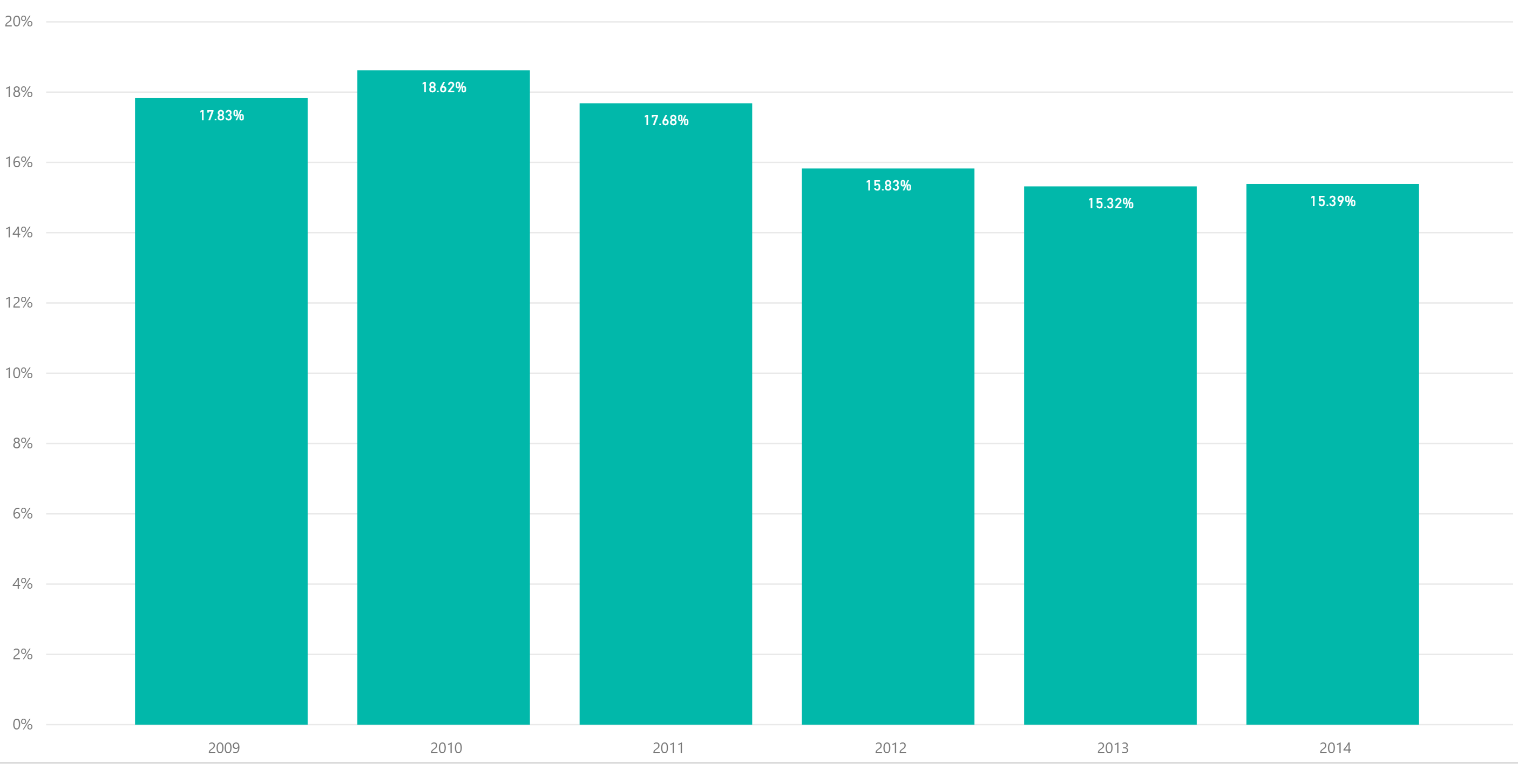
    Last week we looked at student repayment rates and noted that longer-term repayment rates continue to decline for five and seven year repayment periods. Repayment rates are in essence a measure of optimism as it is the percentage of students who have made progress in paying down their student loans….

  • Nursing Home Coverage of the Elderly

    While long-term care services more than the elderly, approximately 63% of residents are 65 or older. According to the Administration on Aging, population 65 years or older will increase from 14.1% of the population to 21.7% of the population by 2040. As the population ages over the course of the…

  • Black Disparities in Premature Death

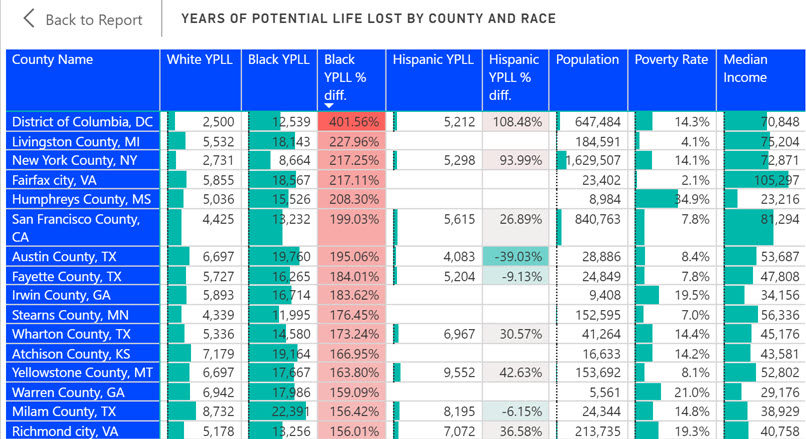
    County Health Rankings has always used Premature Death as a measure in deriving its ranking formula. Years of Potential Life Lost Before Age 75 (or YPLL) counts as 50% of the Health Outcomes score. Every death occurring before the age of 75 contributes to the total number of years of potential…

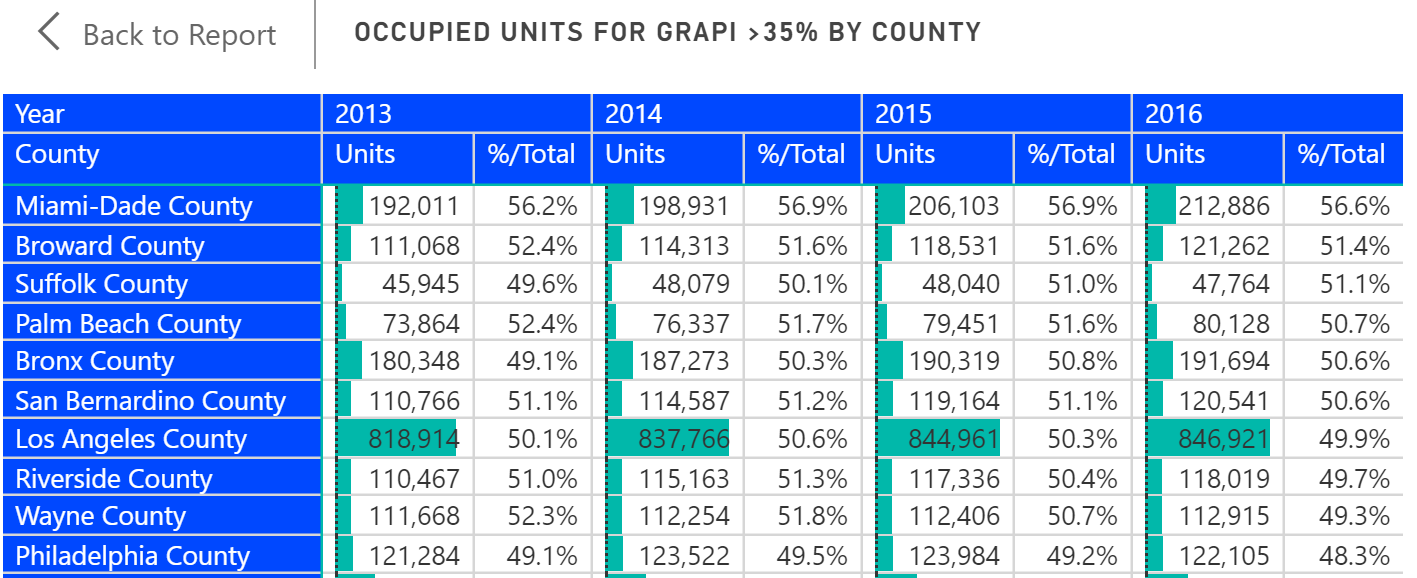
  • EVICTED – The Impact of Housing Affordability

    I was in the Bay Area this week for a health technology conference at Stanford University. I took Lyft back and forth from where I was staying. While conversing with one driver in my rudimentary Spanish, I found out that his family was spending $3,000 a month for a two…

  • Students Moving Back on Campus

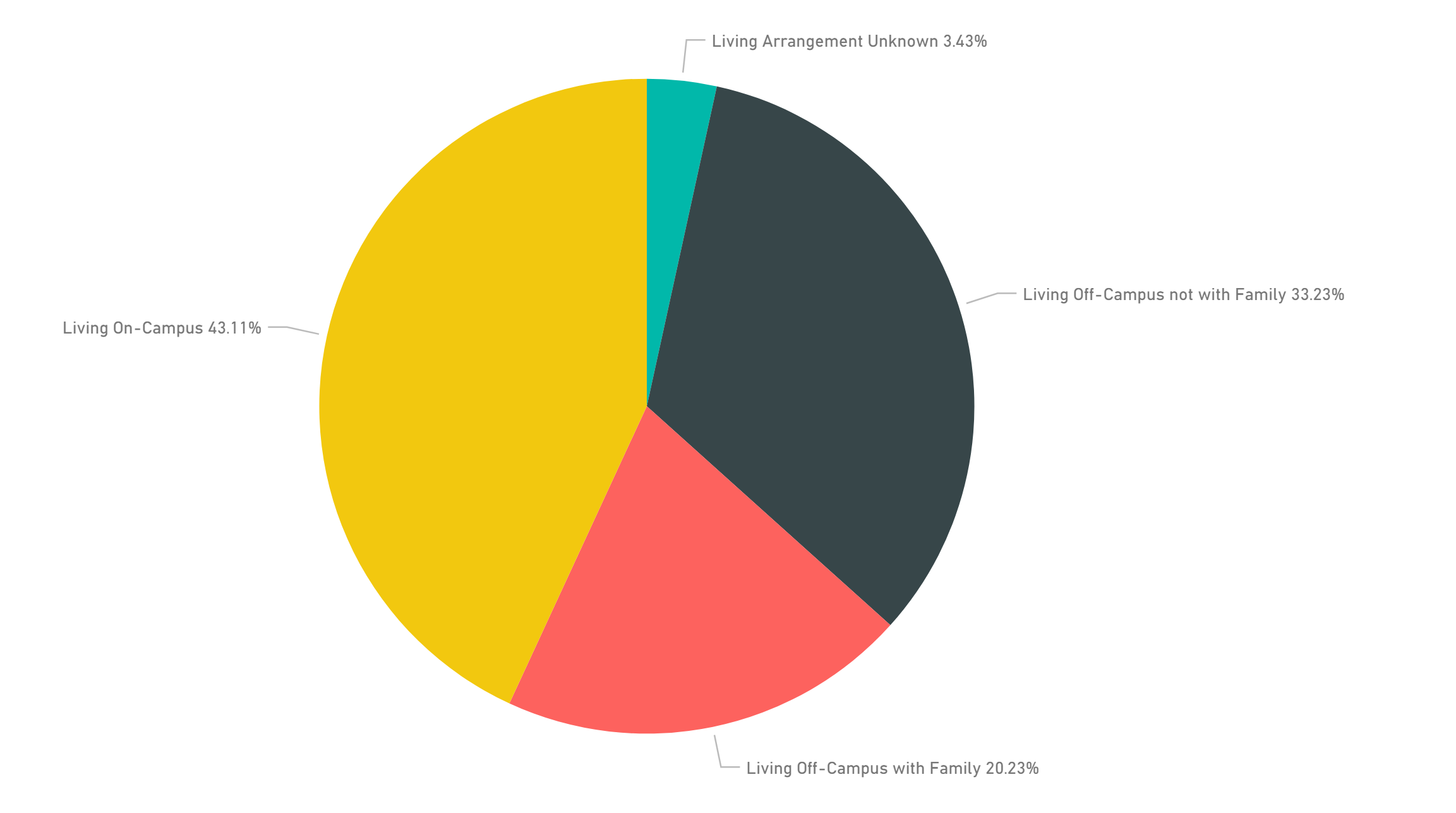
    The number of students living on-campus for the approximately 4,500 non-state institutions has increased from just over 43% in 2011 to nearly 53% just four years later in 2015. The pie graph below shows the movement from 2011 to 2015 with the yellow slice indicating the percentage of students living…