12 Colleges with Sustained Enrollment Growth


According to data collected from the Integrated Postsecondary Education Data System (IPEDS), 60.6% of colleges experienced flat or declining enrollment growth while only 39.4% experienced increasing enrollment growth from 2013-2014. This is also very consistent with statistics from 2012-2013.


College enrollment growth may be hard to sustain and have ebbs and flows based on new programs or strategic investments. I wanted to follow a methodology to uncover those colleges with sustained enrollment growth over a five year period. This is like the kinds of methodologies we see for company growth in publications like Fortune Magazine.


My methodology was based on a minimum of 500 students in 2010 and I required that the growth be at least 10% year-over-year (YOY) for every year from 2010 to 2014. Finally, the schools had to have an existing Carnegie Classification. I used Public Insight to define individual YOY growth conditions and then ranked the schools by the overall five year enrollment growth. See my methodology and the calculations in the video.


Surprisingly only 12 schools fit this criteria of sustained enrollment growth. In digging deeper, I also found the top 7 and 8 of the 12 had more than 50% of the student population enrolled exclusively in distance education. Distance education has only been captured for the past three years by the Integrated Postsecondary Education Data System (IPEDS) so I am interested in exploring this topic further. The 12 schools that fit my criteria and their 5 year enrollment growths follow. Schools with a predominant distance education approach are highlighted in red.


Chamberlain College of Nursing – Illinois (1,140.20%)
Southern New Hampshire University (438.64%)
Concordia University – Portland (251.70%)
Miller-Motte College – Wilmington (190.52%)
Brigham Young University – Idaho (145.26%)
Western Governors University (157.02%)

Central Christian College of Kansas (124.90%)
Hondros College (118.39%)
Edward Via College of Osteopathic Medicine (90.25%)
University of Hawaii – West Oahu (80.90%)
University of the Cumberlands (73.82%)
California Baptist University (68.86%)
 

By clicking on this link, you can download a complete list of U.S. colleges with individual enrollment growth metrics for each of the past five years and the overall five year enrollment growth.

Share This Story

Similar Posts

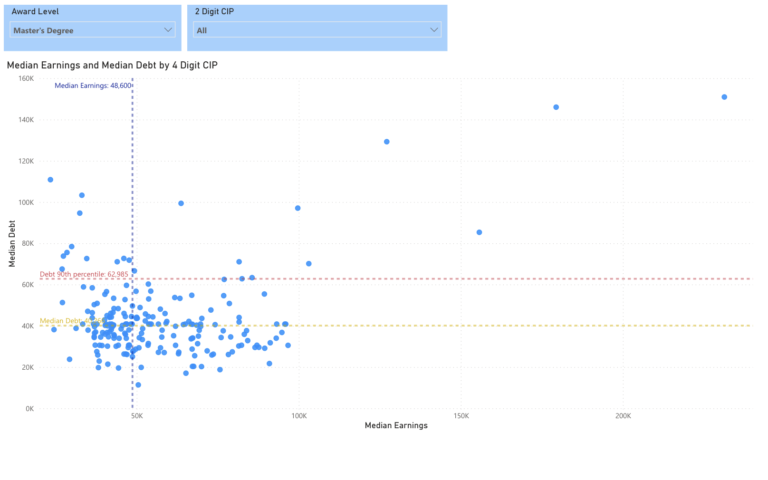
  • Visualizing Student Debt and Earnings

    Leveraging Scatterplots to Analyze the New College Scorecard Data There has always been a symbiotic relationship between student debt and student earnings. As student debt has creeped up in recent years, there has also been a data gap with post-graduation earnings. The most recent College Scorecard data is a first…

  • March 2020 Job Postings Signals Seismic Labor Shifts

    New Labor Market Analysis Application Released by Public Insight The COVID-19 reality is starting to reflect itself in the labor market. Volatility in the labor market will be the new normal for the foreseeable future. We analyzed and coded over 2 million active job postings as of past Saturday, March…

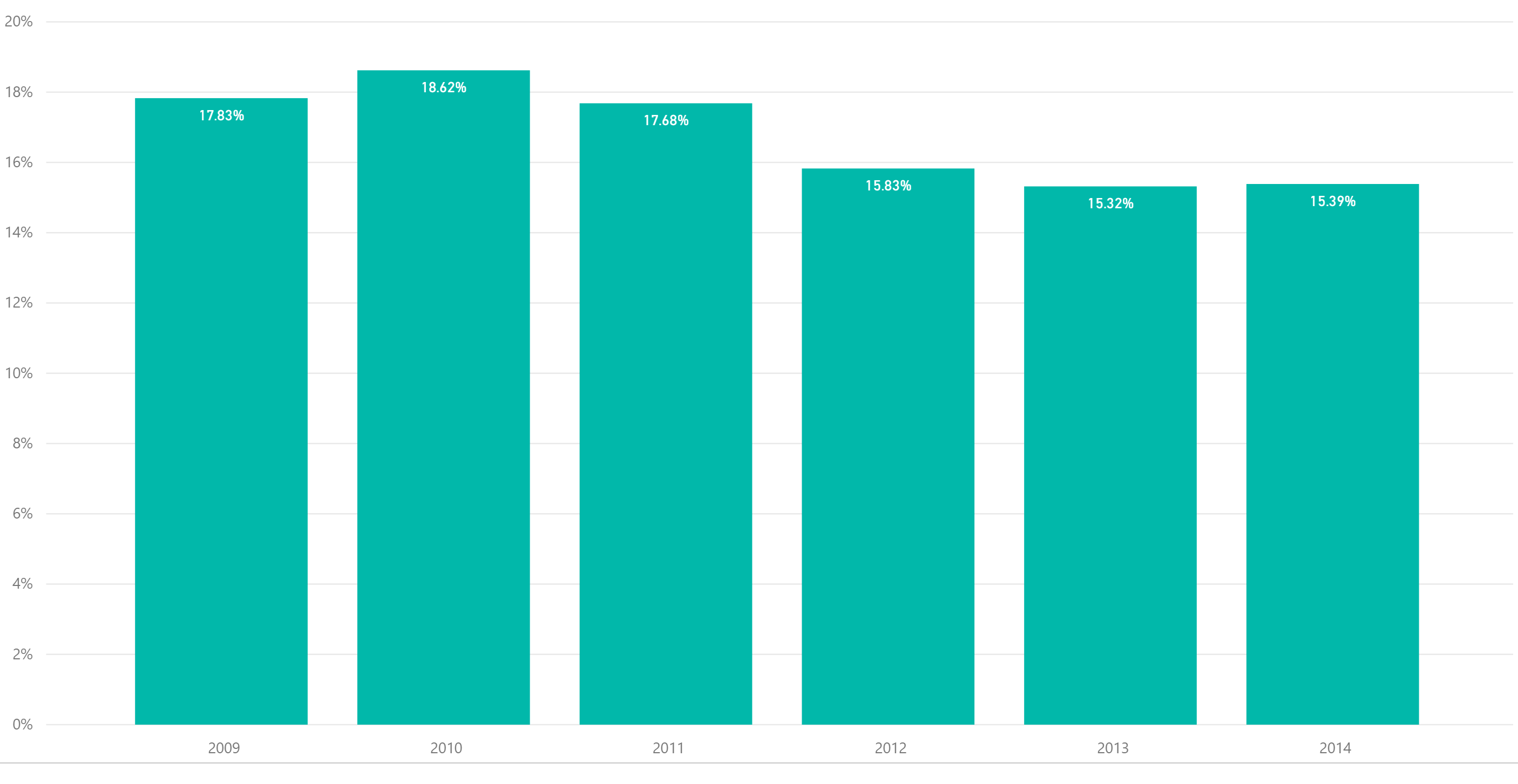
  • Student Default Rates for 2014 Flatten at 15.4%

    Last week we looked at student repayment rates and noted that longer-term repayment rates continue to decline for five and seven year repayment periods. Repayment rates are in essence a measure of optimism as it is the percentage of students who have made progress in paying down their student loans….

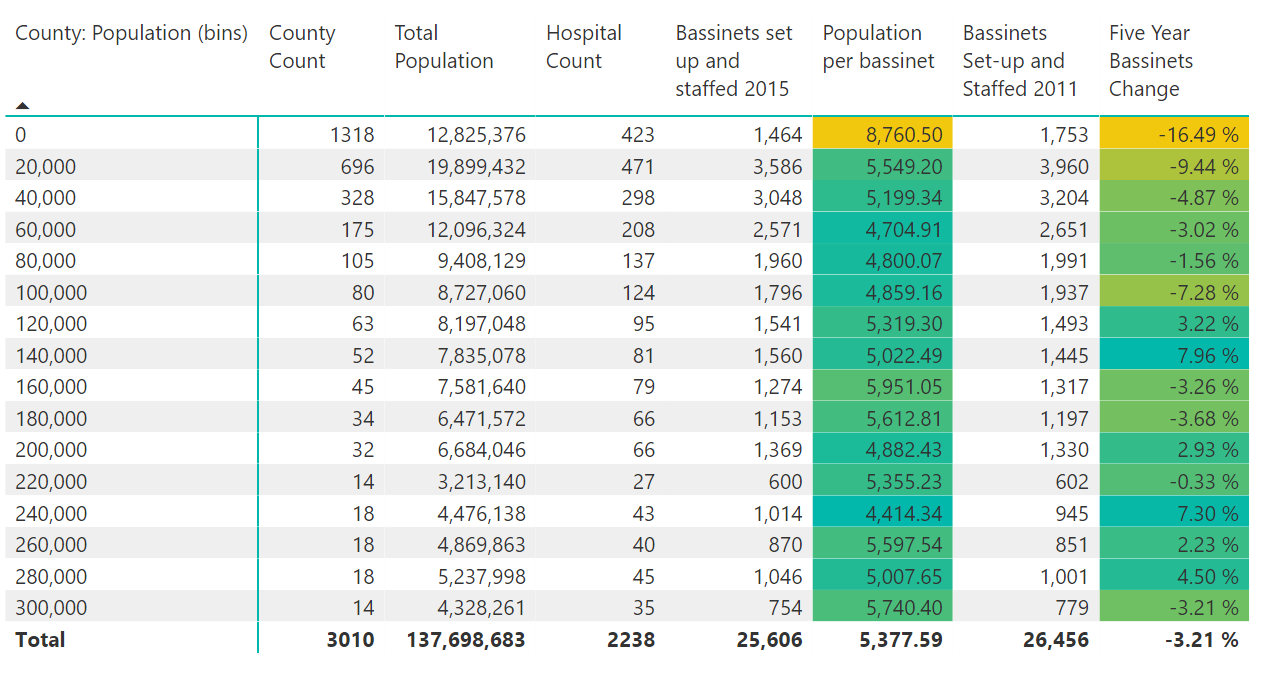
  • Maternal Care and Rural Counties

    An interesting study published in the September issue of Health Affairs found that 9 percent of rural counties experienced the loss of all hospital obstetric services in the period 2004–14. In addition, another 45 percent of rural US counties had no hospital obstetric services at all during the study period. We…

  • Regional Variations in Opioid Prescribing Rates

    Given the state of the opioid crisis, any meaningful data is valuable. So when CMS released three years of Opioid Part D prescription data in November, we all rejoiced. CMS also released a mapping tool to analyze the data. While mapping tools can be effective, they can also get in…

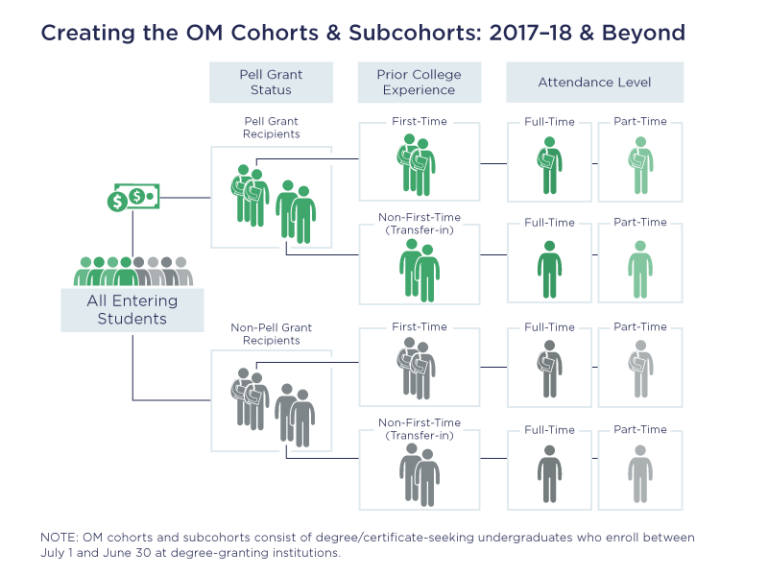
  • Decoding Outcome Measures Data

    Breaking Down the Second Year Student Success Measure The IPEDS Outcome Measures data was designed as a supplement to graduation rate data which has always been questioned as an effective measure for measuring student outcomes. Outcome Measures is now in year two of its collection and provides a lot of…