CDC Publishes 2016 Natality (Births) Data

The CDC recently released updated Natality (Births) data for 2016. State laws require birth certificates to be completed for all births, and Federal law mandates national collection and publication of births and other vital statistics data. The National Vital Statistics System provides access to statistical information from birth certificates and CDC makes this data available using the CDC Wonder tool. There are a wealth of category breakdowns of this data at national and regional levels subject to privacy suppression where the number of births is less than 10. 


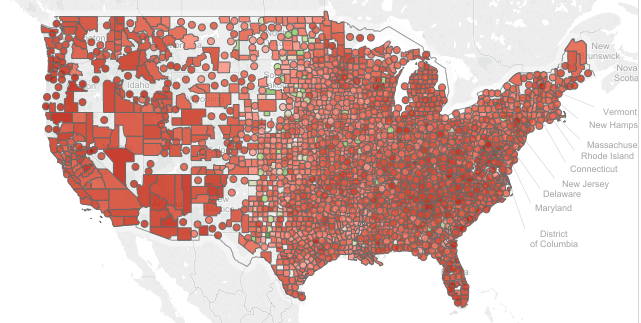
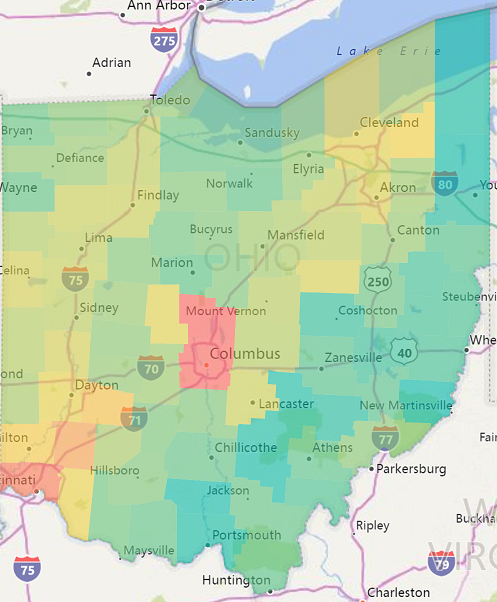
We have curated the birth data into a new CDC Natality Interactive. We have aggregated all of the major category breakdowns including gender, race, age of mother, education, gestational period, and many more since 2000. We have applied this at the national, state, and county level (where data is available). This Interactive is automatically available to subscribers as part of our growing Community Health library.  


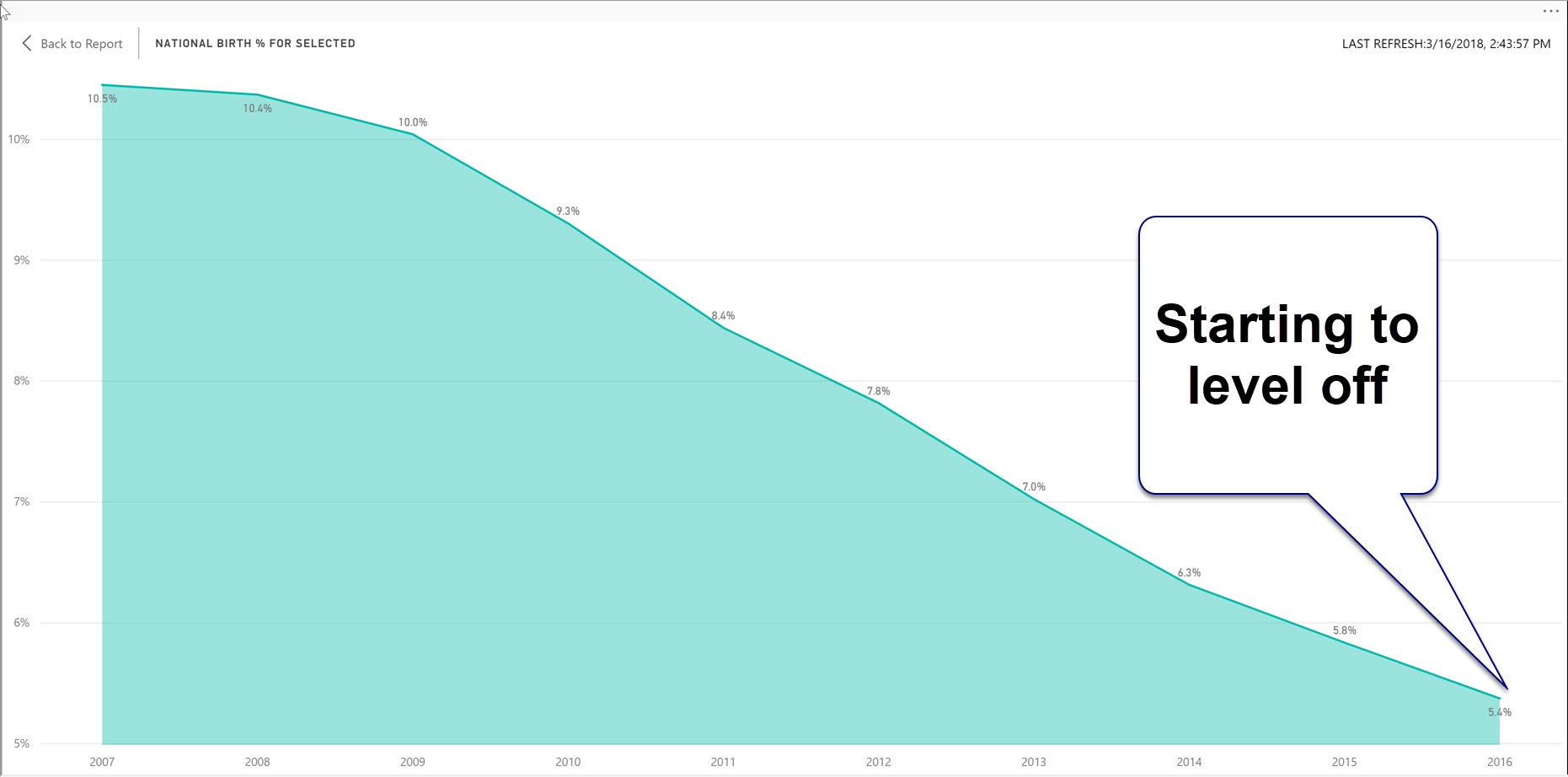
We will be diving into this data over the next several weeks and posting various video blogs and free Interactives. One topic sure to be interesting is teen birth rates. Teen birth rates continued to decline in 2016, but as you can see below, they have started to level off. In 2007, the teen birth rate across all races was 10.5%, but in 2016 it is now 5.4%. However the trend is not universal across all races. Asian teen births for example actually increased in 2016. We will look at this and other trends in the coming few weeks. 


Share This Story

Similar Posts

  • Hot Educational Programs in 2018

    Econometrics Programs Show Nearly Triple Digit Growth I am delighted to return to the blogosphere community. It has been a few months since we have published a blog, but not for a lack of work going on behind the scenes here at Public Insight. You will notice that our blog…

  • Will Voter Unpredictability Continue in 2018?

    Much has been written about the increased polarization of America and its collective impact on communities. There were many surprises in the 2016 election and people are bracing for a potentially tumultuous 2018 mid-term election. Ohio, where I live, is one of the swing states. The average county in Ohio…

  • New Data Highlights Student Loan Repayment Rates

    According to the Institute for College Access and Success, seven in 10 seniors (69%) who graduated from public and nonprofit colleges in 2014 had student loan debt, with an average of $28,950 per borrower. Over the last decade—from 2004 to 2014—the share of graduates with debt rose modestly (from 65%…

  • Have Student Debt Repayment Rates Bottomed?

    Student repayment rates continues to decline, although the trend seems to be slowing, according to the most recent College Scorecard data. This data measures repayment rates at 1,3,5, and 7 years. Repayment rates and default rates are very different. Repayment rates are the percentage of students who have made progress…

  • As the Economy Grows, So Does Poverty

    There is a general perception that a rising economy raises all economic boats. But poverty rates would indicate that the poorest of the poor just seem to get poorer. Many counties have actually experienced a rise in poverty rates from 2012 to 2016. We took a quick look at the…