Students Increasingly Opting for High Cost Debt

Many prognosticators are projecting a coming economic crisis caused by student debt. This is typically focused around an inability to pay off the principal of the loan. But it really appears that we are also setting ourselves up for a real problem with the cost of debt. 


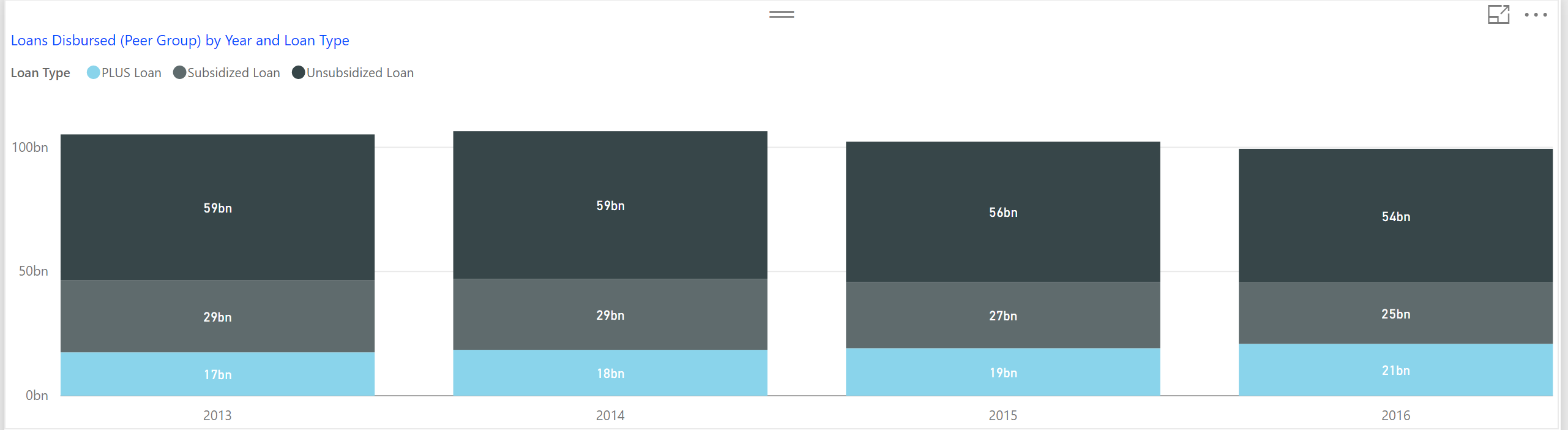
Overall new loans from the direct loan program have been relatively flat for the past four years except the loan programs are increasingly shifting to higher cost PLUS loans as indicated by the following graph.


Unsubsidized and subsidized loans have declined while PLUS loans continue to increase. Why is this a problem? Because PLUS loans carry much higher interest rates. The new PLUS loan rate effective July 1, 2017 is 7% compared to the unsubsidized and subsidized loan rate of 4.45%. This incremental debt cost is monumental when looking at it over the lengthy repayment cycles of student loans.


And it seems like it is getting worse. We extrapolated the direct loan program costs through June 30, 2017 by taking the actual through March 31, 2017 and adding last year’s fourth quarter ending June 30, 2016. The results if they hold are very alarming. PLUS loans will have increased nearly 6% and the number of PLUS borrowers will have increased 12%.


Unfortunately students have the perspective the PLUS loans are essentially free money. There is also the perspective that sometime down the line, these loans will be forgiven. This recent article in Forbes highlights that concern. 
Share This Story

Similar Posts

  • BLS Releases New 10-Year Employment Projections

    Last month, the Bureau of Labor Statistics released its 10-year employment projection data. This data is updated every other year. The new data shows a projected increase over the next decade of 7.4% which is a noticeable increase over the previous 6.5% 10-year projections in 2014. These projections are not…

  • Lower Student Default Rates – Calm Before the Storm?

    Loan repayment rate data may trigger resurgence in default rates The most recent Federal Student Aid student default rate data indicates that the composite student default rates declined from 10.8% in 2015 to 10.1% in 2016, a decline of 6.5% and continuing a seven-year post-recession trend. In 2010, the default…

  • International Student Enrollment Visualized

    In last week’s blog, we talked about out of state enrollment and its potential impact on both the diversity and finances of the university. International enrollment is even considered a bigger potential bonanza to colleges and universities as many international students pay full tuition. According to the Institute of International…

  • College Building Boom Approaches $1 Trillion

    Postsecondary institutions continue to invest heavily in capital assets and the cumulative investment across public and private institutions has crossed $900 billion, an increase of 27% over a five-year period. The capital investment growth rates are almost identical for both public institutions and private non-profit institutions as noted in the…

  • Hot Jobs, Growing Wages, and Weird Titles

    I love looking at the Bureau of Labor Statistics Occupational Employment Statistics data. This data produces employment and wage estimates annually for over 800 occupations and estimates for states and metropolitan areas. I especially enjoy looking at this data from both a job growth and a wage growth perspective. That…