CMS Introduces New Hospital Returns Measure

The most recent batch of Hospital Compare data has expanded the whole area of readmissions, returns, and deaths. There are now separate measures for mortality rates, readmissions, and hospital returns. The hospital returns measure is brand new, with the most recent data through June 2016, and applies to heart attack and heart failure patients. We examined this data using the updated Quality Ratings Interactive scheduled to be released next week. 


Hospital returns are defined as the number of days the patient spent back in the hospital (in the emergency department, under observation, or in an inpatient unit) within 30 days after they were first treated and released. The measures compare each hospital’s return days to results from an average hospital with similar patients to determine if this hospital has more, similar, or fewer days than average. The data is compiled using Medicare claims data and eligibility data. 


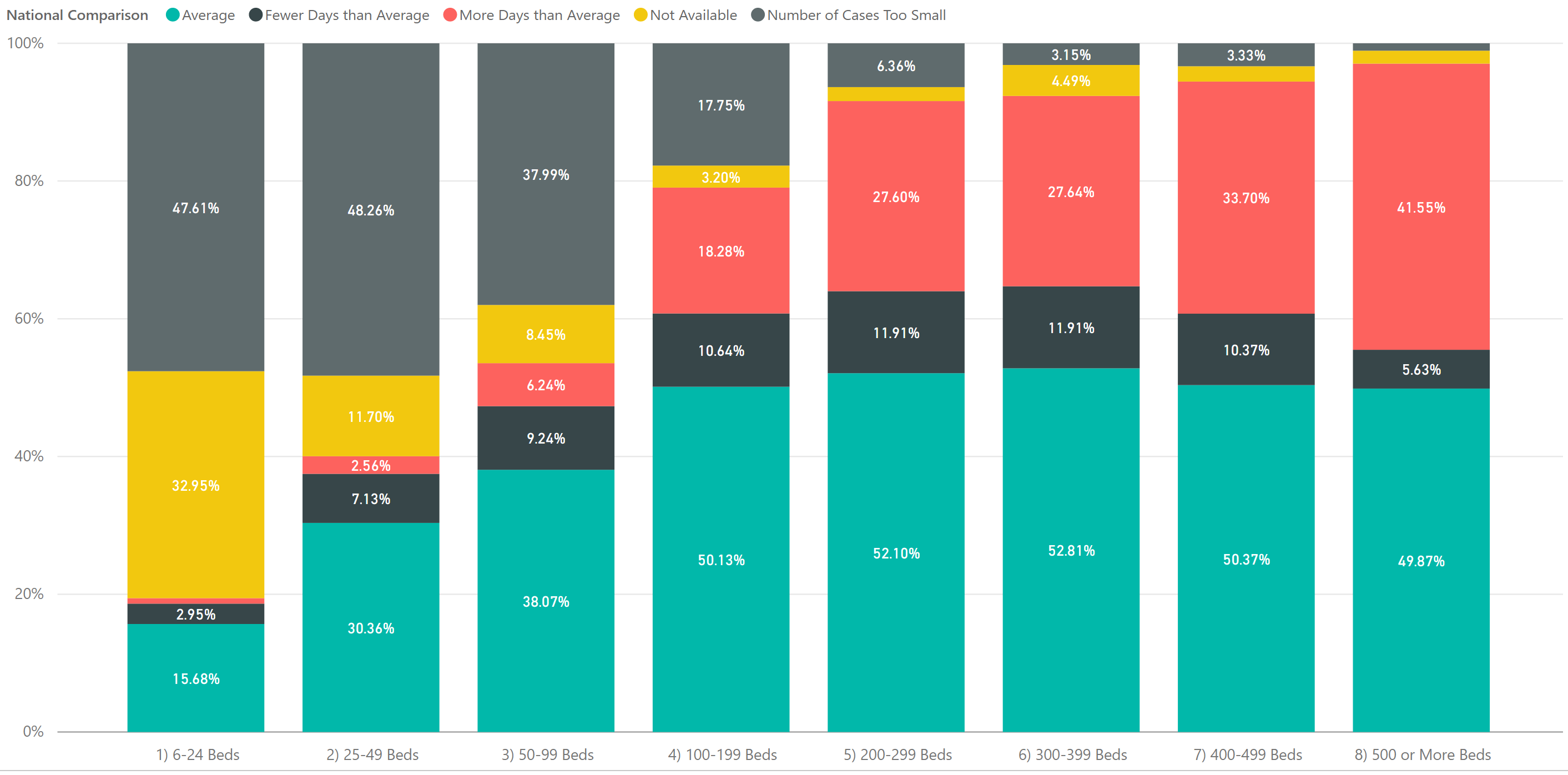
I highlight the word average because what is average? We analyzed hospitals across various categories from size to location to specialty. Starting with bed size, it is clear from the graph below that hospital returns ratings are negatively weighted towards larger hospitals. The red color indicates hospitals with above average returns and the graph is sorted by bed sizes.


This 100% column graph shows the proportionate number of hospitals with return days at the national average, above the national average and below the national average by categories of bed size. Clearly, the graph shows that the larger the hospital, the more likely they are to have above average returns. It is also apparent that the smaller hospitals are increasingly likely to have a volume simply too small to measure. Thus, the pool of available data creates an inefficient comparison.
Share This Story

Similar Posts

  • On Faculty Compensation and Gender Disparity

    It will take many years for the faculty gender pay gap to close at the current rate of change. From 2014 to 2015, women received around half a percent higher pay increase from men over the various institutional sectors. There is still a 16% and 14% gender pay gap for full professors…

  • Is Education Required for Fast Growing Jobs?

    A hot topic, especially when new job projections come out, is whether the high growth jobs require much in the way of education. Jed Kolko at Indeed Hiring Labs did a very thorough job of analyzing projected occupational growth against their respective education requirements. His conclusion was that the slower…

  • Decoding Outcome Measures Data

    Breaking Down the Second Year Student Success Measure The IPEDS Outcome Measures data was designed as a supplement to graduation rate data which has always been questioned as an effective measure for measuring student outcomes. Outcome Measures is now in year two of its collection and provides a lot of…

  • Where the Vets Live

    As we approach this Memorial Day Weekend, we pause to remember the sacrifice made on our behalf by our veterans. Nationwide veterans comprise 8% of the population. But there are clusters of populations where veterans comprise much higher percentages of the population. This article from Trulia published in Forbes back…

  • CMS Releases 2016 Opioid Prescription Data

    This week, CMS released 2016 Opioid Part D Prescribing Rates data which follows on the heels of the original release several months ago. This data release includes Opioid prescriber, claims, and extended release claims at the national, state, county, and zip code level. We have updated our Opioid Prescribing Rates…